1. Introduction: Challenges in monitoring the energy distribution network
In the automation of the distribution network and smart grid monitoring, the performance of the energy monitoring systems largely depends on the data quality of the front sensors. For substations and distribution stations, choosing a current transformer for energy monitoring that is suitable for harsh on-site environments is the primary prerequisite for ensuring the integrity of monitoring data.
In practical technology, however, standard current meters often suffer from signal distortions and even complete insensitivity when detecting a weak zero current. due to grounding errors in one stage. This article begins with typical deployment scenarios of SCADA systems for power distribution and examines: how ZCT series zero current sensors can solve these problems on-site.

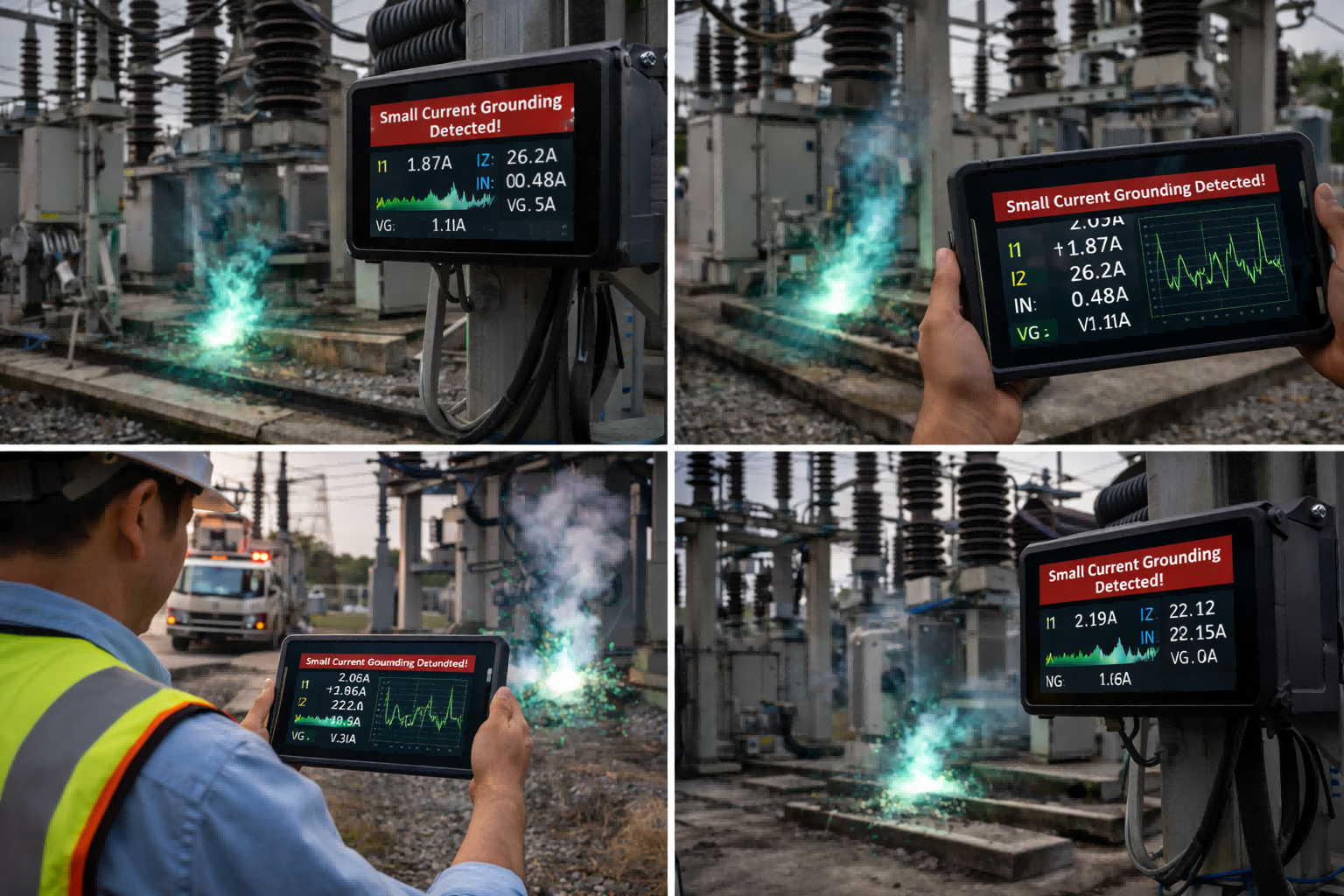
2. Medium voltage station supply control scenario: accurate detection of low grounding current
Medium voltage distribution networks generally adopt an inefficient method of grounding at a neutral point and offer grounding errors only in one stage of weak series currents, which fluctuates between milliamps and amps. A conventional CT level of protection can hardly guarantee sufficient accuracy.
2.1 Pain points in the eye: high grounding resistance and average arc
Often, due to the aging of the insulation of city cables, interruptive arc conveying errors occur. If the linearity of the front-end current transformer for energy monitoring is insufficient, serious errors are added to the secondary side signal, leading to chaotic waveforms, registered in the SCADA background. The line selection device cannot accurately determine a faulty feed, and ultimately you can only rely on manual guidance to fix problems.
2.2 ZCT solution: Precision sensor under all air conditions in cable rooms
In the narrow space of cable equipment, the ZCT series offers an opening diameter of 45 mm to 60 mm, and service and maintenance personnel can complete the assembly of the card without modifying the cable head and are particularly suitable for projects to renovate the distribution network, which require continuous operation. If a small earth leak occurs, the secondary side can send sufficiently accurate signals to start the coherence protector to ensure that the smart grid monitoring platform detects early signs of deteriorating isolation for each event.
3. Low voltage distribution system scenario: residual current monitoring and electric fire prevention
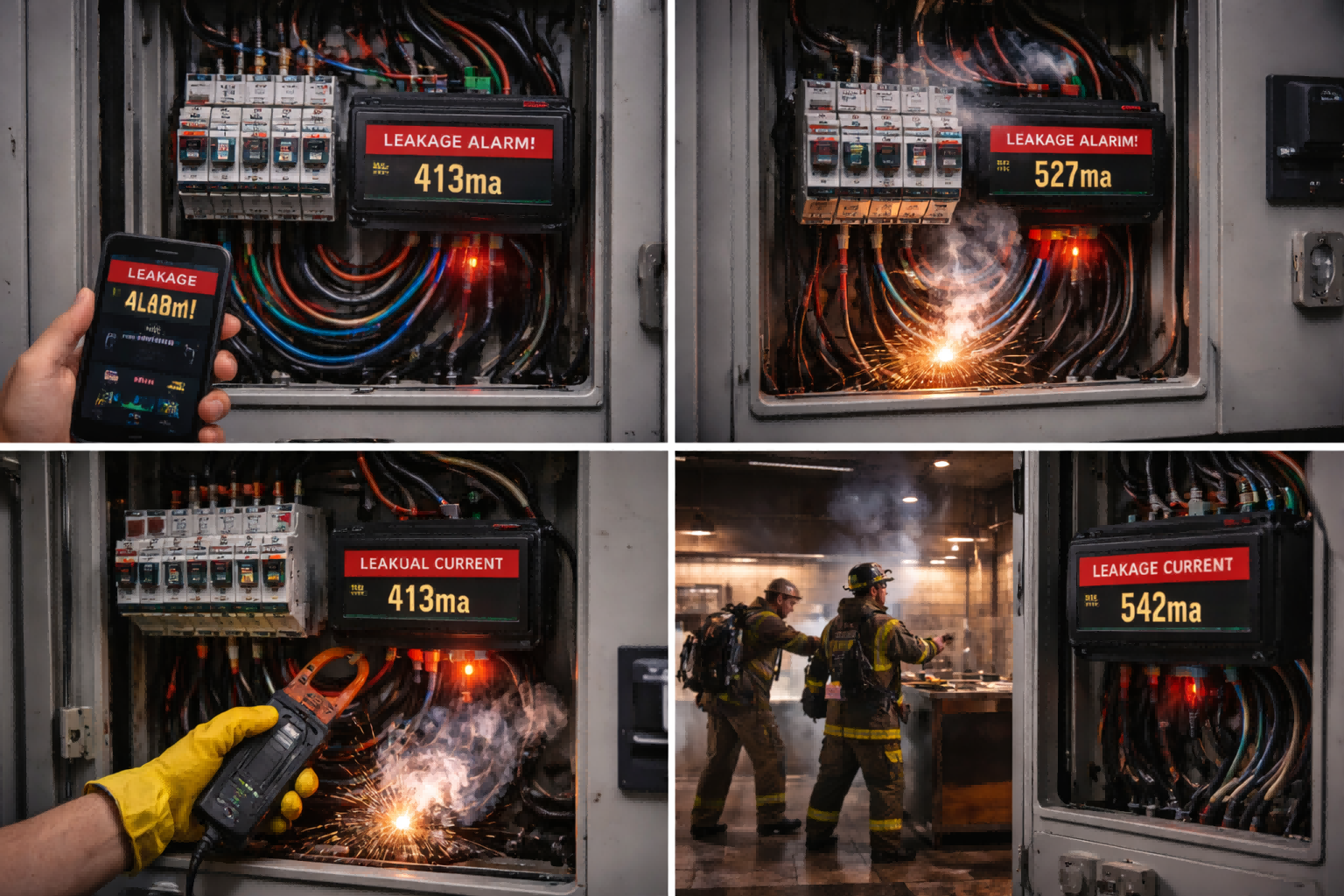
With increasingly stringent building electrical regulations, the use of low voltage current transformers in commercial buildings is expanding from simple measurement to control of residual current.
3.1 Pain points in the scenario: Problem of false alarms due to nonlinear loads
Modern low voltage systems are filled with nonlinear devices such as frequency converters and UPS, which can easily interfere with the high-frequency leakage current generated by conventional electrical appliances, which leads to repeated false alarms in energy monitoring systems and causes unrest for operation and maintenance personnel.
3.2 ZCT solution: complete coverage of the connection from the end to the incoming main line
At the end of the floor distribution field, a built-in ZCT opening with a size of 20 mm to 30 mm can be mounted on the output side of a miniature circuit section, to accurately distinguish the high frequency current from real insulation damage signals. In the main side receiving cabinet of the low voltage converter, the design of a large opening of 60 mm to 80 mm allows easy mounting of the bus rods. As a current transformer for energy monitoring in the incoming main line, it monitors the entire residual current of the entire low voltage system and is an essential part of the structure of the system. Energy management system of an intelligent building.
4. Scenarios for industrial and new power plants: Collection of reliable data under strong electromagnetic interference
4.1 Pain points in the scenario: zero rotation and sensor failure in harsh environments
In industrial plants and fiber power plant/energy storage box processors, conventional power converters are prone to precision failures or even outages due to long-term mechanical vibrations and corrosive gas corrosion. After the failure of the current transformer for energy monitoring, which acts as a final barrier to grounding protection, the system loses its defense against personal shock and equipment leakage.
4.2 ZCT solution: powerful sensors for maximum working conditions
ZCT series fully closed The structure of epoxy resin casting embodies the core of the profile and the iron as a whole densely, which can withstand long-term mechanical noise, even if it is mounted in replacement equipment with frequent replacement of sealing banks. When monitoring the square transformers of new power plants, the linear zero signal is an important basis for analyzing the transformer isolation state on the ground and the Improving the operating strategy of the energy monitoring system at the power plant level.
5. Conclusion
As a current transformer for energy monitoring, developed specifically for energy systems, The ZCT series responds deeply to real pain points in various application scenarios in distribution networks - from the selection of small power lines in medium voltage stations to the warning of Leaks in low-voltage systems to severe interference in industrial environments. Choosing the ZCT means equipping the smart grid monitoring platform with a pair of eyes that can see through weak grounding currents, truly achieving a leap from passive repair to active defense.
Compay: WENZHOU HEYI ELECTRICAL CO.,LTD
Brand: HEYI/ASCT
Contact: Bethy
E-mail: heyi@heyiele.com
Tel: 86-13968747975